|

Welcome to ETCFC's Kidz Page!
Thanks for visiting our site. There is so much to learn about alternative fuels because they are really important. Using alternative fuels along with conserving energy will help make the world, especially East Tennessee, a better place to live.
What is Oil?
Oil is a fossil fuel because it comes from small sea plants and animals that died millions of years ago. When they died, they sank to the bottom of the ocean and were covered up with sand and mud. Each year more sand and mud would pile up on top of the dead plants and animals making lots of layers. Due to all the pressure from all those layers plus the heat from the sun, the remains have become what we call crude oil or petroleum. Petroleum means "rock oil" or "oil that comes from the earth."
Below is a picture on how those tiny sea plants and animals become oil.

Where can we get oil?
Petroleum or oil is a smelly yellow-to-black liquid. It comes from underground. Researchers and scientists spend a lot of time looking for where "oil resevoirs" are located. When they find it, they drill a hole in the ground to pull out the oil.
The amount of crude oil made in the United States has been getting smaller each year. However, the use of products made from crude oil has been growing. This means we need to buy oil from other countries. About 60 percent of the crude oil and petroleum products used in the United States comes from other countries.
I bet you are wondering what petroleum is used for. It can be used to make a lot of different things. Most of the time when you hear about petroleum or oil, it gets made into diesel or gasoline that is used in our cars, school buses, trucks, planes, and trains. It is in a lot of other things too. Some petroleum products are crayons, parachutes, pajamas, tires, toothbrushes, toothpaste, sunglasses, nail polish, DVDs, balloons, and footballs. That means we use A LOT of petroleum to make into all the stuff we need and want.
Petroleum seems like a really great thing because it makes all kinds of stuff. There's one bad thing about it though. It can cause A LOT of air and water pollution. Sometimes when companies are drilling for oil or transporting it to other places, it can spill and hurt the environment. Burning the oil that has been turned into diesel and gasoline pollutes our air and can make it really hard for us to breathe.
So what can we do about it?
We can start using something instead of petroleum. We can start using biofuels.
What are biofuels?
Biofuels are made from plants like corn and soybeans. The two most popular ones are called biodiesel and ethanol. They can be used instead of petroleum oil fuels like gasoline and diesel.

Biodiesel can be used instead of petroleum diesel in things like 18 wheelers, school buses, farm and construction equipment, and even a few kinds of cars and trucks. Biodiesel can be made from plant oils or animal fat. Most of the biodiesel we use in the U.S. is made from soybean oil, but it can be made from all kinds of things, even from the oil used to make french fries! Some people are even trying to make biodiesel out of algae! Most biodiesel smells like the cooking oil you have in your kitchen at home.
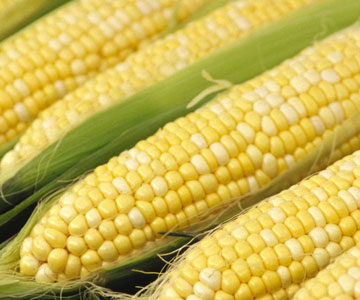
Ethanol can be used instead of petroleum gasoline in regular cars and trucks. Ethanol can be made from lots of different kinds of plants like corn and sugar cane. In the U.S. we mostly use corn, but some people here in East Tennessee are figuring out how to make ethanol from switchgrass, which is a very tall and tough kind of prairie grass. Ethanol smells a lot like rubbing alcohol, which you might have in your medicine cabinet at home.
Why Should People Use Biofuels?
People should use biofuels, like biodiesel and ethanol for many reasons. Some of the big ones are:
1.) Air Quality
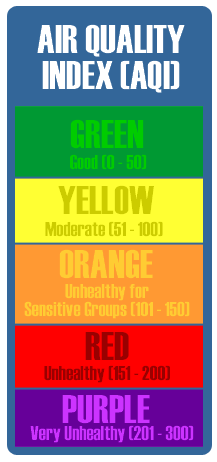
Knox County and much of East Tennessee does not meet the Particulate Matter 2.5 and 8-Hour Ozone federal air quality standards. What does this mean? There is so much gross stuff floating around in our air that it's not very good for us to breathe it, and it's not good for the environment either!
Have you ever had to stay inside at recess because the air quality was bad that day, or do you know anyone who can't go outside to play sometimes because they have asthma? Since biofuels don't create as much pollution as petroleum oil fuels do, some people use them so that we can have better air to breathe!
2.) Energy (In)Dependence
Most of our transportation runs on gasoline and diesel- that includes our cars, trucks, buses, planes, and even some trains! We have some oil in the U.S., but we get more than HALF of what we use from other countries. What would happen if we didn't have other fuels like biodiesel and ethanol and we couldn't get other countries to sell us oil anymore? How would we make our cars and planes go?
100% of the biodiesel and ethanol we use is made here in the U.S.! That means that we don't have to worry about buying them from other countries- we can get the plants we need to make biofuels from farmers right here in America.
3.) Renewable vs. Non-renewable
 vs. vs.
You might have already learned what this means in class! A renewable resource is something that we can keep making more of, and a non-renewable resource is something that we can't make more of because it takes millions of year to make. Petroleum is a non-renewable resource, because it is made from dead plants and animals that lived millions of years ago- even before the dinosaurs! Once we use up what we have, it will take millions of more years for the Earth to make more oil! And according to Case Western Reserve University's 2007 survey of world oil experts, most experts think that the world oil production peak is likely to occur by the year 2010. That means that around 2010 we won't be able to get as much oil out of the ground as we do now, and eventually it will run out! But world energy use is going up every year as more people get things like cars, air conditioning, and computers!

What does this mean for us? As oil production begins to decline in an increasingly energy-hungry world, we will have to find other ways to meet our energy demands. We can use biodiesel and ethanol to replace some of that oil, but we still have to keep working on creating energy from renewable sources so there is enough for everyone!
Frequently Asked Questions
What is atmosphere?
What is air pollution?
What is ozone?
Why is ozone bad for our health?
What is particulate matter?
Why is particulate metter bad for our health?
What is the Air Quality Index?
Where does pollution come from?
What Can You Do?

Well, I'm glad you asked! You can talk to mom and dad about biodiesel and ethanol and all the things you've learned about it. You can talk to your friends and even your bus driver about it! There are lots of ways that you can save energy every day, from driving less to using those swirly (compact fluorescent) light bulbs! For a lot of great ideas on things you can do every day to save energy- and help the environment too!- check out this website or this one.
Educational Outreach
ETCFC's educational outreach programs are free classroom/site visits that teach students of any age what alternative fuels like biodiesel and ethanol are, how they are used, how they differ from petroleum-based fuels, and why they are becoming increasingly important. Our Education & Outreach Coordinator is happy to talk to anyone interested in arranging a classroom visit so their students can learn more about biofuels!
Our outreach programs include:
1st Graders for Clean Fuels
The 1st Graders for Clean Fuels program uses sensory learning to teach 1st graders the basics of biofuels: what they are, where they come from, and why they are important. Sight, touch, taste, and smell are all incorporated into this fun, age-appropriate, and highly interactive lesson. A fun and easy art project tops it all off!
Young Biodiesel Leaders
ETCFC gives students the information and tools to help them become alternative fuel leaders in their community! Students work with ETCFC to learn the ins and outs of biodiesel production, use, and pros and cons. These "Young Biodiesel Leaders" reach out to local fleets and industry of their choosing that they would like to see using this clean-burning, American-made fuel.
Clean Fuels School
To become a clean fuel school, students must get rid of 25 emissions clouds! Students organize and/or participate in a variety of activities that help reduce their number of emission clouds. When the "Fuel Goal" of 0 is reached, they are presented with a street sign with their school's name on one side and "CLEAN FUEL SCHOOL" on the other. ETCFC works with the students to develop, coordinate, and supply materials for activities, but students must take the lead role and use their communication, teamwork, and leadership skills to promote and execute their chosen activities.
Fun Links
Here are some really cool links to other websites that talk more about alternative fuels, how to save energy, how to prevent air pollution, and even some really cool games. Check them out!
National Energy Education Development Project
https://www.need.org
U.S. Department of Energy
https://www.eia.gov/kids/
https://www.energy.gov/search/site/kids
National Biodiesel Board
https://www.biodiesel.org/resources/fuelfactsheets/
California Energy Commission
http://www.energyquest.ca.gov
Earth 911, Global Alerts
https://earth911.com/?s=students
Energy Quest! A super fun interactive website for students and teachers all about energy!
https://www.energy.ca.gov/
Department of Environmental Protection Kids Page! Learn all about different types of pollution and ways you can stop it!
https://www.epa.gov/students
Interactive game that helps demonstrate how different sources of pollution affect air quality.
Smog City 2
U.S. Environmental Protection Agency global warming educators' page
https://yosemite.epa.gov/oar/globalwarming.nsf/content/VisitorCenterEducators.html
U.S. Environmental Protection Agency climate change kids' page
https://www.epa.gov/ghgemissions/understanding-global-warming-potentials
Marian Koshland Science Museum global warming online exhibit
https://www.koshland-science-museum.org/news/global-warming-webquest
AirNow! Fun ways for Students and Teachers to learn about the air quality index
https://www.airnow.gov/education/students/
Teachers! Here's a hands-on activity demonstrating how daily activities impact air quality
https://www.broward.org/Air/EducationalPrograms/Pages/AirAwarenessMonth.aspx
|
|